Between the ages of five and eight, my parents noticed something unusual: I could see in ways other children didn't. We lived on the sea in Gloucester, Massachusetts, where my family owned the fishing dock. The ocean wasn't just scenery—it was my teacher, my mirror, and my first great expanse of consciousness.
During deep-sea tuna tournament trips, my father gave me an unexpected role: the ship's point person—responsible for finding and pointing towards the direction of where the tuna were that we were seeking to catch.
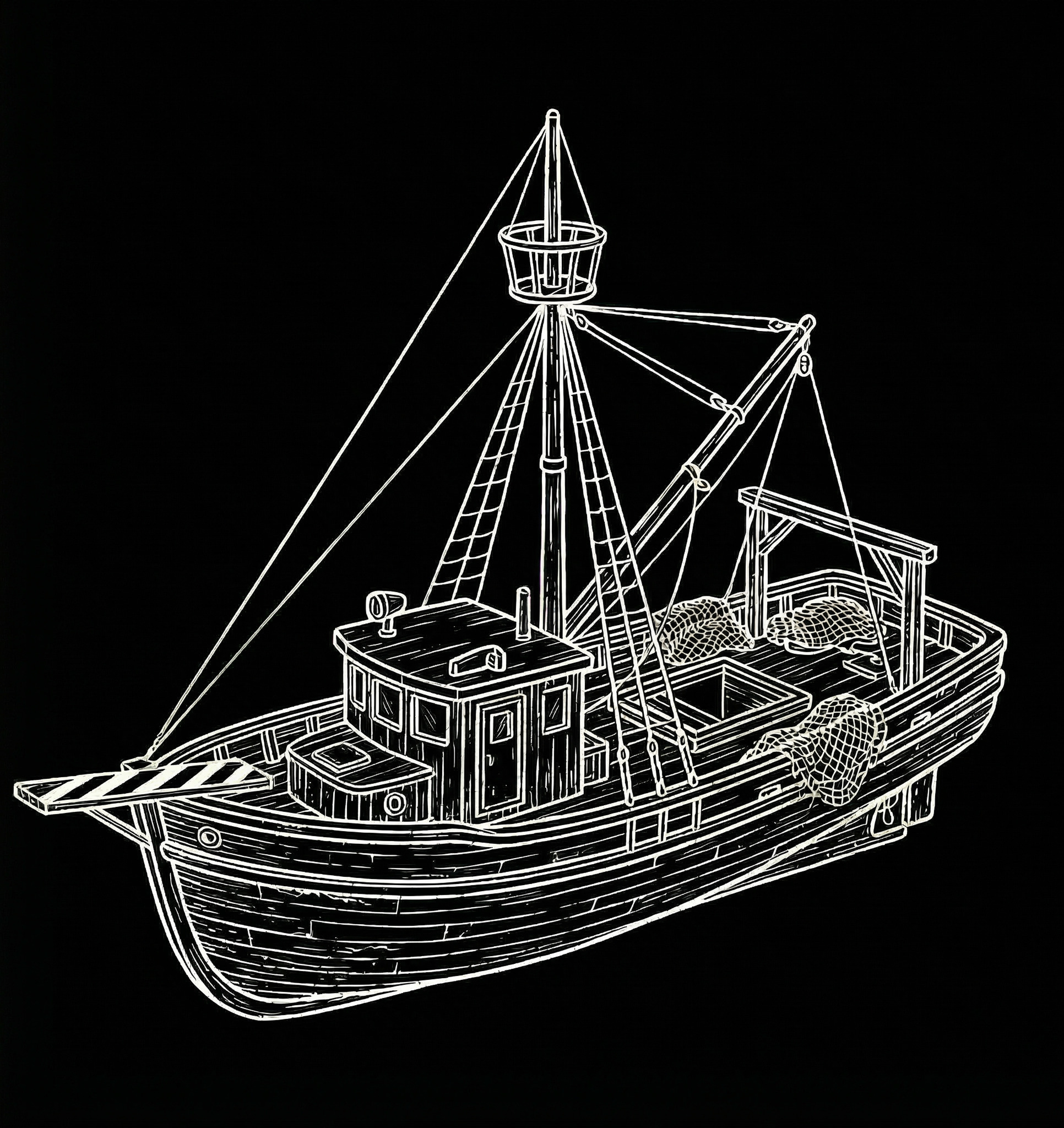
He would send me out onto the very end of the pulpit—a long wooden plank stretching far beyond the bow of the boat, suspended above the rushing Atlantic. I would grip the single metal rail with my small hand and dangle over the water. The boat disappeared behind me; all I could see was the endless horizon and the wild, living sea beneath my feet.
It felt like flying.
To the adults, it was remarkable that I could always find the tuna. They assumed I had keen eyes or a knack for reading surface currents. But no one ever asked me how I did it.
I was communing with the whales.
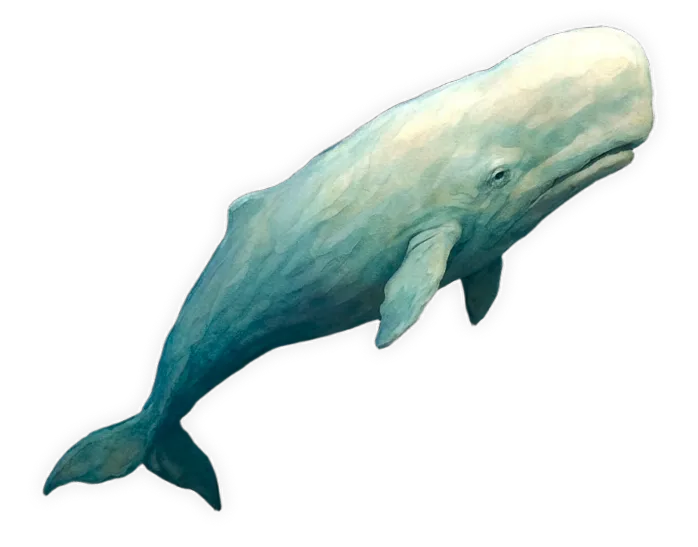
They would rise near me, massive and ancient, communicating in waves of knowing. They guided me to the tuna below the surface. They became my dearest friends—especially one great, old, white sperm whale who appeared in my seeing as "the great one." He felt futuristic, timeless, and deeply familiar, and he cared greatly for me. He taught me all sorts of things about the sea.
Hours passed with me perched at the edge of the world, the boundaries between realms dissolving. My consciousness expanded in ways language can barely hold. I learned to listen without ears, see without eyes, and trust beings who lived in realms deeper than our own.
The sea and the whales were shaping my SEER abilities. They planted the seeds of everything that would come next.